EV Insurance 2026: Coverage Insights for Next-Gen Drivers
I recently reviewed a policy for a client who traded his 2023 BMW 3-Series for a 2026 Lucid Air. He expected his fuel savings to be substantial. What he didn’t expect was his insurance premium to nearly double. He wasn't a bad driver. He hadn't moved to a high-risk zip code. He had simply driven into the most volatile segment of the 2026 insurance market: Electric Vehicle underwriting.
If you are buying or driving an EV this year, you need to accept a hard truth: The insurance industry is still catching up to the technology in your driveway. While EVs are mechanically simpler than internal combustion engines (ICE), they are structurally closer to smartphones on wheels. A minor fender bender that cost $800 to fix on a Camry can easily become an $8,000 sensor calibration nightmare on a Tesla or Rivian.
This guide isn't just about finding the cheapest rate. It's about understanding the specific liabilities of high-voltage driving—from battery degradation clauses to cyber-risk riders—so you aren't left holding the bag when the "Total Loss" letter arrives.
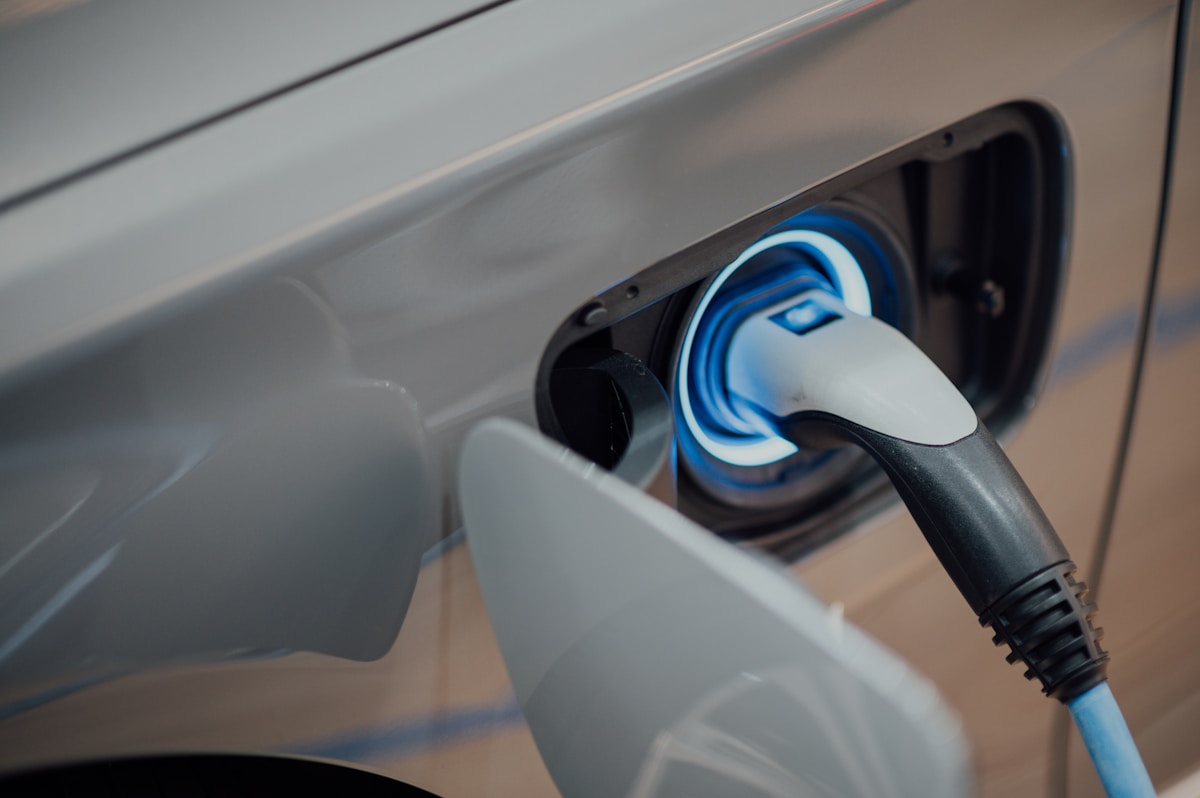
The "Premium Gap": Why You Pay More in 2026
Let's look at the data. In 2026, the average full-coverage premium for an EV is running approximately 23% to 28% higher than a comparable gas vehicle. This gap hasn't closed as fast as analysts predicted back in 2020. Why?
1. The "Disposable" Car Phenomenon
Modern EVs utilize gigacasting technology—casting large sections of the chassis as single pieces of metal. This reduces manufacturing costs for Tesla and others, but it is a nightmare for insurers. If a gigacasted frame cracks in a moderate collision, you can't just cut out the bad metal and weld in a new piece. The structural integrity is compromised.
The Result: Insurers are totaling EVs at a much lower damage threshold. A crash that would be repairable on a Ford F-150 often sends a Rivian R1T straight to the scrapyard. Insurers price your policy assuming they will be buying you a whole new car, not just fixing a bumper.
2. The Specialized Labor Shortage
There is still a massive shortage of high-voltage certified technicians. In 2026, labor rates for EV repair specifically are averaging $180-$250 per hour, compared to $90-$120 for standard body work. Your premium is directly subsidizing this specialized expertise.
3. Sensor Calibration Costs
Your bumper isn't just plastic anymore; it's the eyes of your car. A minor parking lot tap can misalign radar sensors, LIDAR units, and cameras. Re-calibrating these systems requires proprietary software and hours of labor, turning a $500 cosmetic fix into a $3,500 technical overhaul.
The Battery: The $25,000 Component Nobody Understands
The high-voltage battery pack represents 30-50% of your EV's value. Yet, standard auto policies are terrifyingly vague about how they cover it. In 2026, "Battery Ambiguity" is the leading cause of denied claims.
Repair vs. Replace
Most legacy insurers still default to "replacement" rather than "repair" for damaged batteries because they fear liability. If you run over road debris and dent the battery casing, many insurers will total the entire vehicle rather than risk a fire liability down the road. This sounds good (you get a new car), but it drives premiums sky-high for everyone.
The "Betterment" Clause Trap:
Here is the fine print that catches people. Suppose you crash your 2023 EV in 2026. The battery needs replacing. Your insurer might argue that putting a brand new battery in a 3-year-old car is an upgrade ("betterment"). They may ask you to pay the difference in value between your old degraded battery and the new one. Action Item: Look for a policy with a "New Parts" waiver or specific language prohibiting betterment charges on high-voltage components.
Essential Riders for the 2026 EV Owner
You cannot simply buy "Full Coverage" and walk away. The terminology is outdated. To properly insure a next-gen vehicle, you need to layer specific riders onto your policy.
1. Gap Insurance (Non-Negotiable)
EV price volatility is extreme. In 2025, we saw massive price cuts from major manufacturers that instantly devalued used inventory by 15-20%. If you bought a car for $60,000 and the manufacturer drops the new price to $50,000 three months later, your used value plummets.
If you total the car, the insurer pays "Actual Cash Value" (market price). Without Gap Insurance, you could be underwater by $15,000 or more on your loan. In the EV market, Gap coverage isn't an upsell; it's a firewall.
2. Original Equipment Manufacturer (OEM) Parts Rider
For gas cars, aftermarket parts are fine. For EVs, they are risky. Third-party body panels might lack the precise sensor cutouts required for your autonomous driving features to work safely. Many EV warranties are also voided if non-OEM parts are used in high-voltage areas. Ensure your policy guarantees OEM parts, especially for sensors, glass, and electrical components.
3. Towing & Labor (Specifically "Flatbed")
You cannot tow most EVs with wheels on the ground (it damages the regenerative braking motors). You need a flatbed truck. Standard roadside assistance often sends the cheapest tow truck available. Verify that your policy covers "Flatbed Towing to the Nearest Charging Station or Service Center," not just the nearest mechanic (who likely can't fix your EV anyway).
The New Frontier: Cyber Risk & Over-the-Air (OTA) Updates
Your EV is essentially a server on wheels. In 2026, we are seeing the first wave of "Brick Claims"—vehicles rendered inoperable not by a crash, but by a failed Over-the-Air (OTA) software update.
The Coverage Gap:
Standard auto policies cover "physical damage." If a software update corrupts your vehicle's main computer, is that physical damage? Many legacy insurers argue "No." They classify it as a mechanical breakdown or a warranty issue.
The Fix: Look for comprehensive policies that explicitly include "Cyber Event" or "Software Corruption" coverage. If your car is hacked or "bricked" by a manufacturer update, you want your insurer to pay for the tow and the module replacement.
OEM Insurance: The "Tesla Model" Goes Mainstream
Tesla disrupted the market years ago by offering its own insurance, using real-time driving data to set rates. In 2026, other manufacturers (Rivian, GM, Toyota) have followed suit with "Embedded Insurance."
Pros:
Data-Driven Discounts: If you actually drive safely (no hard braking, low late-night driving), these plans can be 20-30% cheaper than GEICO or Allstate.
Integrated Claims: The manufacturer knows exactly how to fix their own car and won't fight you on OEM parts.
Cons:
The "Big Brother" Tax: You are surrendering total privacy. Every acceleration, corner, and late-night Taco Bell run is recorded. One bad week of driving (or letting a teenager drive) can spike your premium instantly.
Bundle Friction: You can't bundle your Rivian insurance with your home insurance easily, meaning you lose the multi-policy discount that legacy carriers offer.
Home Charging Liability: The Hidden Risk in Your Garage
Installing a Level 2 charger in your garage changes your home's risk profile. While EV fires are statistically rarer than gas car fires, they burn hotter and are harder to extinguish.
Check Your Homeowners Policy:
Does your home insurance cover the charging unit itself? What if a faulty charging cable causes a fire? Some budget home policies have exclusions for "motor vehicle equipment" or impose sub-limits on garage structures.
The Gold Standard: You want a policy that covers the installed hardware as part of the "Dwelling" (not personal property) and includes liability coverage if a guest trips over your charging cable.

Actionable Strategy: How to Lower Your EV Premium in 2026
You don't have to accept a doubling of your rate. Use these levers to negotiate.
- Shop "EV-Friendly" Carriers: Stop calling generalists. Companies like Lemonade Car, Avinew, and specific arms of Travelers have built underwriting models specifically for EVs. They understand that ADAS (safety tech) reduces crash frequency, and they price accordingly.
- Raise Your Deductible (Aggressively): Because EV repairs are expensive, small claims are financial suicide (they spike your rates). Switch from a $500 deductible to $1,000 or $2,500. Use the savings to self-insure the small stuff.
- Leverage "Green Discounts": Many legacy carriers still offer a 5-10% discount for hybrid/electric vehicles. It’s often not applied automatically—you have to ask for the "Alternative Fuel Discount."
- Bundle Smartly: If OEM insurance (e.g., Tesla Insurance) is cheaper for the car, calculate the total cost. Losing your "Home + Auto" bundle discount with your main carrier might cost you more than you save on the car premium alone. Do the math on the total household spend.
Driving the future shouldn't mean wrecking your budget. By understanding the unique physics and economics of your EV—and insuring it with a specialist mindset rather than a commodity mindset—you can enjoy the torque without the financial whiplash.