I'll be honest with you: five years ago, "green loans" were something most financial advisors mentioned as an afterthought, a niche product for the environmentally obsessed. Today? They're reshaping how we finance everything from solar panels on suburban rooftops to billion-dollar corporate sustainability overhauls. And if you're not paying attention to this shift, you're leaving money on the table while the planet heats up around you.
The sustainable debt market hit €907 billion globally in 2024, with sustainability-linked loans alone jumping 22% year-over-year. This isn't a trend anymore. It's a fundamental restructuring of how capital flows through our economy. Whether you're a homeowner eyeing solar installation, a small business owner considering energy retrofits, or a CFO mapping out corporate sustainability strategy, understanding green loans in 2026 means understanding one of the most powerful financial tools available for building a viable future.
What Exactly Is a Green Loan—And Why Should You Care?
A green loan is deceptively simple in concept: it's financing specifically earmarked for projects with measurable environmental benefits. Unlike traditional loans where your lender cares only about your ability to repay, green loans add a second dimension—your project must demonstrably reduce carbon emissions, improve energy efficiency, or advance some other environmental objective. The money you borrow is tied to a purpose, and that purpose must be green.
But here's what makes green loans genuinely interesting: they often come with better terms than conventional financing. We're talking interest rates that can run 3-7% below standard market rates, longer repayment windows extending to 20 or 25 years, and reduced collateral requirements that make these loans accessible to borrowers who might otherwise be shut out. Lenders aren't being charitable—they're responding to regulatory pressure, investor demand for ESG-aligned portfolios, and growing evidence that green projects carry lower default risk.
The distinction between green loans and sustainability-linked loans trips up many borrowers, so let me clarify. A green loan restricts your use of proceeds to specific environmental projects—install solar panels, retrofit insulation, purchase electric vehicle fleets. A sustainability-linked loan gives you freedom to use funds for general purposes, but your interest rate fluctuates based on whether you hit predetermined sustainability targets. Both serve the green finance ecosystem, but they operate on fundamentally different mechanics.
The Four Pillars That Make a Loan Legitimately "Green"
The Green Loan Principles, updated most recently in March 2025, establish four core components that separate authentic green financing from marketing fluff. Understanding these isn't just academic—it's how you distinguish genuine opportunities from greenwashed products designed to exploit your environmental concerns.
Use of Proceeds: Where Your Money Must Go
The loan proceeds must fund clearly defined green projects. The current framework recognizes categories including renewable energy installations, energy efficiency upgrades, clean transportation, sustainable water management, pollution prevention, and climate change adaptation. The 2025 updates added supporting operational expenditures (opex) as eligible, not just capital investments—meaning you can now potentially finance the ongoing costs of maintaining green systems, not merely installing them.
What doesn't qualify? General corporate expenditures, even if your company has strong environmental credentials. Projects with marginal or unquantifiable environmental benefits. Anything where the green claims are aspirational rather than concrete. Lenders operating under these principles are required to evaluate your project against defined criteria, which means vague promises about "being more sustainable" won't cut it.
Process for Project Evaluation and Selection
You must communicate your environmental sustainability objectives, demonstrate how your project fits within recognized green categories, and disclose the process you'll use to identify and manage environmental risks. This isn't paperwork for paperwork's sake. Lenders need to understand not just what you're building, but why you believe it qualifies and how you'll ensure the green benefits materialize.
The 2025 principle updates clarified the distinction between mandatory requirements, recommendations, and optional practices. External review providers pushed for this clarity, and borrowers benefit too—you now know exactly what's required versus suggested versus nice-to-have.
Management of Proceeds
Green loan funds must be tracked and managed separately from your other capital. This can mean a dedicated account, a specific tranche within a larger facility, or formal internal tracking that allows auditing. The point is transparency: both you and your lender should be able to verify that green money went to green purposes.
Reporting Requirements
You'll need to maintain readily available information on how proceeds were used and provide regular updates on project development. Many lenders require annual reporting on environmental impacts—think carbon emissions reduced, energy savings achieved, renewable capacity installed. This reporting obligation doesn't end when your project launches; it continues through the loan term.
Green Loans for Homeowners: Solar, Efficiency, and the Economics That Actually Work
Let's get practical. If you're a homeowner considering green upgrades, the financing landscape has never been more favorable. Programs like California's GoGreen Home Energy Financing offer rates starting around 2.99-3.58% APR for qualifying projects—compare that to the projected 12% average for personal loans in 2026. The math becomes compelling very quickly.
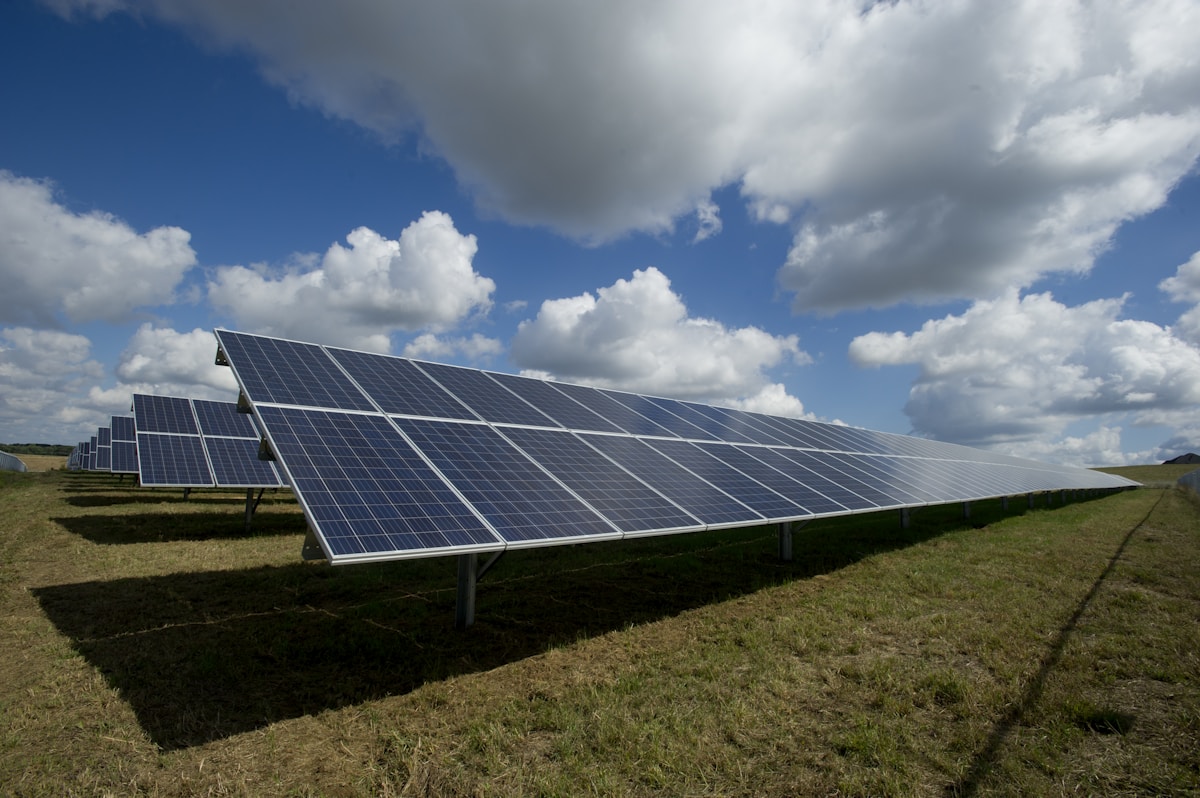
Solar installations remain the flagship application. With residential solar systems lasting 25+ years and financing terms available up to 20 years, many homeowners achieve positive cash flow from day one—the monthly loan payment runs less than their previous electricity bill. Clean Energy Credit Union offers loans from $3,000 to $150,000 for solar PV systems with no prepayment penalties and a rate promise guaranteeing your rate can only decrease before closing.
Heat pump HVAC systems have emerged as the second major category. These systems deliver 3-4 times more heating and cooling energy than the electricity they consume, slashing utility costs while eliminating fossil fuel combustion in your home. Several state programs now offer 0% or 2% financing specifically for heat pump installations when you meet income or community qualifications.
Energy efficiency retrofits—insulation, windows, weatherization—often get overlooked but deliver remarkable returns. Projects that improve home energy performance reduce monthly operating costs, extend equipment life, and increase property values. The challenge is that these upgrades lack the visibility of solar panels; they're hidden in walls and attics. But lenders increasingly recognize their value, and financing options have expanded accordingly.
What you need to qualify typically includes: proof of property ownership or rental agreement, a contractor from the lender's approved network, project documentation showing expected environmental benefits, and standard creditworthiness checks. Many programs explicitly target underserved communities with enhanced terms, recognizing that lower-income households often occupy the least efficient housing stock.
Small Business Green Financing: The SBA 504 Advantage and Beyond
The SBA 504 Green Loan Program represents one of the most powerful—and underutilized—financing tools for small businesses pursuing sustainability. Here's how it works: the SBA provides second-position financing up to $5.5 million per green project, with no reduction for other outstanding SBA loans. You can secure up to 90% financing at below-market fixed rates for terms up to 25 years.
To qualify, your project must meet one of three public policy goals. First option: reduce energy use by at least 10% through equipment upgrades, improved lighting, insulation, HVAC improvements, or similar efficiency measures. Second option: generate at least 15% of facility energy through renewable sources—solar, wind, geothermal, hydropower, or biomass. Third option: achieve sustainable design certification, though note this qualifies under a different SBA goal with a $5 million aggregate limit rather than the $5.5 million green project cap.
The aggregated lending provisions matter enormously for growing businesses. You can hold multiple 504 Green Project loans up to $16.5 million in aggregate capital—dramatically expanding your capacity to pursue comprehensive sustainability transformations rather than piecemeal upgrades.
Beyond SBA programs, commercial lenders increasingly offer green term loans, green lines of credit, and sustainability-linked facilities for businesses of all sizes. Banks like HSBC and Barclays provide discounted interest rates to companies meeting sustainability goals. The key is demonstrating measurable environmental impact: vague commitments to "going green" won't unlock preferential terms, but concrete projects with quantifiable outcomes will.

Corporate Green Debt: Where the Big Money Flows
At the corporate level, green debt markets have undergone a dramatic transformation. Annual corporate green debt issuance jumped nearly ninefold between 2017-2018 and 2022-2023, even as conventional borrowing slowed. By 2023, green instruments accounted for approximately 12% of all corporate debt globally. Europe has led this surge, supported by frameworks like the EU Green Taxonomy and the Sustainable Finance Disclosure Regulation.
Research from CEPR demonstrates something counterintuitive: green debt is systematically followed by reductions in firms' carbon intensity, while conventional borrowing shows no such pattern. This isn't just correlation—the mechanism appears to be that green financing commits companies to specific environmental outcomes and creates accountability structures that drive actual behavioral change.
Green bonds provide scale for large-emitting firms, while green loans extend participation to a wider set of companies, sectors, and countries with less developed capital markets. Together, they illustrate how green finance operates at different scales—mobilizing large volumes where emissions are highest while broadening access across the global corporate landscape.
The sustainability-linked loan market, where interest rates adjust based on meeting ESG targets, reached €650 billion in 2024—72% of total sustainable loan volume. These instruments face increasing scrutiny regarding the ambition of sustainability targets and whether the financial materiality of rate adjustments actually drives behavioral change. Expect continued evolution in structure and oversight as the market matures.
The Greenwashing Problem: How to Protect Yourself
Let me be direct: not every product marketed as "green" deserves that label. Greenwashing—promoting loans as environmentally friendly without genuine adherence to green principles—has become a significant concern as sustainable finance has grown mainstream. The European Banking Authority has identified multiple high-risk areas, and regulatory enforcement is intensifying.
Common greenwashing tactics in lending include: sustainability-linked loans presented as having real-world impact when the borrower's business can't actually deliver meaningful change; loans with KPIs the borrower would achieve anyway, regardless of financing terms; marketing bonds or loans as green without ensuring proceeds are fully directed toward verified green projects; and vague environmental claims without specific, measurable impact metrics.
How do you protect yourself? Start with third-party verification. Legitimate green loans often involve external reviewers who assess whether projects meet established environmental criteria. Look for certifications from recognized organizations—LEED for buildings, specific renewable energy certifications, or alignment with regional taxonomy requirements like the EU Green Taxonomy.
Examine the reporting requirements. Authentic green financing includes robust disclosure obligations: regular updates on project progress, environmental impact measurements, and verification that proceeds went to stated purposes. If a lender markets green products but can't explain their monitoring and reporting framework, that's a red flag.
Understand the rate structure for sustainability-linked products. If the interest rate adjustment for meeting or missing sustainability targets is trivial—a few basis points on a large facility—the "sustainability link" may be more marketing than substance. Meaningful financial consequences drive meaningful behavioral change.
Finally, assess whether environmental claims are specific and measurable. "This loan supports sustainability" tells you nothing. "This loan finances the installation of 500kW solar capacity projected to offset 400 tonnes of CO2 annually" tells you exactly what you're funding and how impact will be measured.
The 2026 Regulatory Landscape: What's Changing
Green finance regulation is accelerating globally, and the changes directly impact what products are available and how they're structured. The EU's comprehensive sustainable finance framework continues to set the pace, with the Green Taxonomy providing detailed classification criteria for environmentally sustainable activities. Transition loan guidance published by the major loan market associations in late 2025 is enabling new financing structures for companies shifting away from carbon-intensive operations.
In the United States, the political landscape creates complexity. While federal ESG initiatives have faced headwinds, state-level programs continue expanding. California's various green financing programs serve as models being adapted elsewhere. The SBA green loan provisions remain robust, and private lenders continue developing sustainability products in response to investor and corporate demand regardless of federal policy direction.
Canada is developing taxonomy guidelines starting in 2026 to define which investment activities officially qualify as sustainable—creating clearer standards for labeling financing products. Asian markets are implementing varied but increasingly rigorous sustainable finance frameworks, with Singapore, Hong Kong, Japan, and others establishing taxonomies and disclosure requirements.
The direction is clear: standardization, mandatory disclosure, and increased consequences for misleading claims. Borrowers benefit from clearer product definitions and better data availability. The flip side is increased documentation requirements and closer scrutiny of environmental claims. Planning your green financing strategy now, with attention to evolving standards, positions you to access the best products as they emerge.
Applying for Green Financing: A Practical Roadmap
Whether you're a homeowner, small business owner, or corporate financial officer, the application process for green loans shares common elements while varying in complexity by scale.
For Residential Projects
Start by identifying what you want to accomplish—solar installation, heat pump replacement, comprehensive energy retrofit—and researching which programs serve your area. Many state and utility-sponsored programs have specific contractor networks; working with approved installers is often required and simplifies the process. Get detailed project proposals that include expected energy savings, equipment specifications, and installation timelines. Apply through the program's designated channels, which may involve local credit unions or specific participating lenders. Be prepared for standard credit checks alongside environmental impact documentation.
For Small Business Projects
For SBA 504 Green Loans, connect with a Certified Development Company (CDC) in your region—these nonprofit corporations specialize in facilitating SBA financing. A third-party energy analysis demonstrating your project meets one of the public policy goals (10% energy reduction, 15% renewable generation, or sustainable design certification) is typically required. Standard business loan documentation applies: financial statements, business plans, ownership information. The SBA review adds time compared to conventional lending, so plan accordingly.
For Corporate Facilities
Begin with a clear framework selection: are you pursuing use-of-proceeds green financing or sustainability-linked facilities? Engage with relationship banks early—many have dedicated sustainable finance teams who can structure products aligned with your objectives. Develop robust internal processes for managing proceeds, tracking environmental impact, and reporting outcomes. Consider external review to enhance credibility. Structure facilities with genuine accountability: meaningful rate adjustments tied to ambitious targets that actually drive organizational change.

The Financial Case: Do Green Loans Actually Save Money?
The economics of green loans work on two levels: the financing terms themselves and the operational savings from the funded projects. Both deserve scrutiny.
On financing terms, green loans frequently offer rates below conventional alternatives—sometimes substantially so. Residential programs like GoGreen Home offer rates starting below 4% APR when personal loan averages hover around 12%. Corporate sustainability-linked facilities typically include discounts ranging from 3-7% of the base interest rate when targets are met. These aren't trivial differences; on a $100,000 loan over ten years, a 3% rate reduction saves approximately $17,000 in interest.
But the more significant savings often come from the projects themselves. Solar installations can reduce or eliminate electricity costs for 25+ years. Heat pump systems cut heating and cooling expenses by 30-50% compared to conventional HVAC. Building envelope improvements (insulation, windows, air sealing) reduce energy consumption permanently. Electric vehicle fleets eliminate fuel costs and reduce maintenance requirements.
Consider a concrete example: a small business installing a 100kW commercial solar system financed through an SBA 504 Green Loan. The system costs $250,000, financed at approximately 5.85% for 25 years with a monthly payment around $1,580. If the system generates 140,000 kWh annually (reasonable for that capacity) and electricity costs $0.12/kWh, annual savings run $16,800—exceeding the loan payment. Add available tax credits, and the investment generates positive cash flow from year one while building equity in owned equipment.
The math varies by project type, location, utility rates, and specific financing terms. But the general pattern holds: properly structured green projects funded by preferential-rate green loans frequently deliver financial returns that exceed their costs, creating a genuine win-win of environmental benefit and economic advantage.
What's Coming: Green Finance in 2027 and Beyond
Several forces are shaping the near-term trajectory of green lending. Transition finance is emerging as a major theme—how do we finance the shift away from carbon-intensive activities in addition to funding inherently green projects? New transition loan labels and guidance from trade associations are enabling structured approaches, though debate continues about how to define credible transition pathways versus incremental greenwashing.
Nature and biodiversity are moving from niche conference topics to core components of sustainable debt discussions. Expect new financing products tied to biodiversity outcomes, ecosystem restoration, and natural capital preservation. The frameworks are less mature than energy-focused green finance, creating both opportunity and complexity.
Technology integration is accelerating. AI-powered ESG assessments, blockchain-based impact tracking, and automated verification systems are becoming standard tools for measuring and reporting environmental outcomes. These technologies reduce the administrative burden of green financing while increasing transparency and accountability.
Private markets and SMEs represent an untapped bright spot. Much green finance has concentrated in large corporate transactions and visible residential programs. Expanding access to medium-sized businesses, smaller commercial properties, and underserved communities remains a significant opportunity—and one that creative financial institutions are actively pursuing.
Making Your Move: Practical Next Steps
If you've read this far, you're likely considering green financing for a specific purpose. Here's how to move forward:
For homeowners: Contact your utility company about available incentive programs, research state-level green financing initiatives (California's GoGreen Home, similar programs elsewhere), and get proposals from certified contractors for your planned upgrades. Compare green loan terms to conventional home improvement financing and calculate the total cost of ownership including energy savings.
For small businesses: Reach out to your local Certified Development Company about SBA 504 Green Loan eligibility. Commission a professional energy audit to identify high-impact projects and establish baseline consumption data. Evaluate whether your planned improvements meet the 10% energy reduction or 15% renewable generation thresholds.
For corporate treasury teams: Engage your banking partners about sustainable finance capabilities. Assess which framework—use-of-proceeds green loans or sustainability-linked facilities—better aligns with your corporate strategy. Develop internal processes for proceeds management and impact reporting before entering the market.
For everyone: Approach green finance with informed skepticism. The best products deliver genuine environmental benefits alongside favorable financial terms. Products that promise green credentials without substance waste your time and undermine the broader sustainability transition. Ask hard questions, demand specific impact metrics, and verify claims through independent sources.
The green financing market in 2026 offers unprecedented opportunities to fund projects that benefit both your financial position and the planet's future. But like any financial decision, success requires understanding what you're buying, why the terms are what they are, and how to distinguish substance from marketing. Armed with that understanding, you're positioned to make green loans work for your specific situation—whatever scale that may be.