Nutrition Trends in USA 2026: Personalized Diets, Supplements, and Plant-Based Growth
I spent three hours last week watching a friend scroll through her phone — not doom-scrolling social media, but checking real-time glucose data from a patch on her arm, cross-referencing it with an AI-generated meal plan tailored to her DNA profile. She hadn't seen a dietitian. She hadn't read a single diet book. Yet her metabolic markers had improved more in eight weeks than in the two years she'd spent bouncing between keto and paleo. That scene, to me, captures exactly where American nutrition stands right now in 2026.
We're living through a period where the old playbook — count your calories, follow a food pyramid, buy whatever supplement the influencer is selling — is being ripped apart and rebuilt from the molecular level up. The shifts happening aren't cosmetic. They're structural. And if you're not paying attention, you're probably still eating according to advice designed for a population average that never described you in the first place.
This is a deep look at the three forces rewriting how Americans eat: hyper-personalized diets driven by AI and biomarkers, a supplement industry that's getting smarter (and bigger), and a plant-based sector that's stumbling forward in ways nobody predicted.
The Rise of Personalized Nutrition: Your DNA at the Dinner Table
Let's get the numbers out of the way first. The personalized nutrition market hit roughly $16 billion globally in 2025, and multiple research firms project it will double or even triple within the next decade. North America holds the largest regional share — about 40% of global revenue — driven largely by American consumers willing to spend on testing kits, subscription supplements, and AI-powered diet apps. That's not a blip. It's a tectonic shift in how we think about food.
But what does "personalized nutrition" actually mean beyond the buzzword? At its most basic level, it's the idea that your body processes food differently than mine, and therefore the optimal diet for you is not the optimal diet for me. That sounds obvious when stated plainly, yet mainstream nutrition advice has ignored this reality for decades.
The Tech Stack Behind Your Plate
What's changed is the technology. Continuous glucose monitors — devices once reserved for diabetics — have become consumer gadgets. Companies like Abbott with their Libre system and newer competitors are making it possible for a healthy 30-year-old to see exactly how her blood sugar responds to a banana versus a handful of almonds. Combine that data with genetic testing (which has dropped precipitously in cost), microbiome sequencing, and wearable fitness trackers, and suddenly you have a multi-layered biological profile that can feed into machine learning algorithms.
ZOE, Viome, InsideTracker, and Bioniq are among the companies competing in this space. Bioniq, for instance, reportedly uses over six million biochemical data points to create micro-batch supplement formulations unique to each customer. InsideTracker recently partnered with wearable company Ultrahuman to integrate blood testing with continuous metabolic data, creating what they call "Blood Vision" for cardiovascular health insights.
And here's what makes 2026 different from 2023 or 2024: AI has gotten genuinely good at this. Not "good for an algorithm" good — good enough that platforms can adjust your nutrition recommendations in real time based on your sleep quality last night, your stress levels today, and even your hormonal fluctuations this week. We've moved from static questionnaires ("Do you eat dairy? Check yes or no.") to adaptive systems that learn and evolve with every data point you generate.

The 2025–2030 Dietary Guidelines: A Quiet Revolution
Something notable happened at the federal level that most people missed. The newly released 2025–2030 Dietary Guidelines for Americans marked a genuine philosophical shift. For the first time, these guidelines meaningfully acknowledge that some individuals — especially those managing chronic conditions — may benefit from lower-carbohydrate approaches. The document now centers whole, minimally processed foods, encourages high-quality protein at every meal, and explicitly welcomes back whole-food fat sources like eggs, full-fat dairy, nuts, avocados, and even butter and beef tallow.
Added sugars got called out hard. The guidelines now state that no amount of added sugar or non-nutritive sweeteners is recommended as part of a healthy diet, and children under four should avoid added sugars entirely. That's a pretty dramatic statement from a federal agency that once placed bread at the base of its food pyramid.
More importantly, the guidelines are framed as a flexible, whole-food framework designed to be adapted to individual needs, preferences, cultures, and budgets. Sound familiar? That's personalized nutrition language baked into federal policy. It's not a coincidence.
Who Benefits and Who Gets Left Behind?
Here's the uncomfortable truth nobody in the personalized nutrition industry loves to talk about: these services aren't cheap. A comprehensive package — genetic testing, microbiome analysis, blood biomarker assessments, plus ongoing AI-driven recommendations and custom supplement subscriptions — can run hundreds of dollars annually. For many Americans, especially those in rural or underserved communities, this level of dietary personalization is simply inaccessible.
The testing infrastructure isn't evenly distributed either. Many areas lack the diagnostic facilities or trained professionals needed to interpret complex genetic and microbiome data. If personalized nutrition is going to be more than a luxury wellness product for coastal tech workers, the industry needs to solve the access problem. Some direct-to-consumer companies are working on more affordable tiers — simpler questionnaires combined with limited biomarker testing — but we're not there yet in any meaningful way.
Supplements in 2026: Smarter, More Targeted, and Absolutely Everywhere
Walk into any grocery store in America right now and you'll notice something that would have seemed bizarre ten years ago: collagen-infused kefir in the dairy aisle, creatine-fortified snack bars next to the trail mix, and fiber-boosted pretzels marketed like they're the new protein bar. The supplement industry hasn't just grown — it's dissolved the boundary between "food" and "supplement" almost entirely.
Fiber Is the New Protein
If 2024 was the year protein dominated every food marketing campaign, 2026 is giving fiber its long-overdue moment. The social media trend "fibermaxxing" — deliberately increasing daily fiber intake to maximize gut health benefits — has pushed fiber from boring dietary afterthought to mainstream wellness priority. And there's solid science behind the enthusiasm.
Colon cancer rates in young adults have been climbing for years. A high-fiber diet rich in legumes, nuts, seeds, fruits, vegetables, and whole grains has been shown to reduce that risk. At the same time, the gut microbiome has become one of the most talked-about areas in nutrition science, with 33% of experts in the U.S. News & World Report survey identifying gut microbiome nutrition as a top health trend for 2026. Fiber, particularly prebiotic fiber, is the primary fuel source for the beneficial bacteria in your gut.
Food manufacturers have caught on fast. Expect to see fiber fortification in products you'd never associate with digestive health — fruit bars, protein shakes, even olive oil blends are getting the fiber treatment.
The GLP-1 Effect on Supplement Design
You can't discuss the American supplement market in 2026 without addressing the elephant in the room: GLP-1 medications. Drugs like semaglutide (Wegovy, Ozempic) have exploded in popularity, with roughly one in five U.S. adults having used a GLP-1 drug at some point. Over half (52%) of the expert panel surveyed by U.S. News ranked expanded GLP-1 use as the single most significant health trend of 2026.
What does this have to do with supplements? Everything. GLP-1 medications dramatically reduce appetite, which means users are eating significantly less food overall. Less food means fewer nutrients coming in. Supplement companies are rushing to develop products specifically designed for the GLP-1 user: high-protein, nutrient-dense formulations that maximize nutrition per calorie consumed. There's even a "GLP-1 Kitchen" cookbook designed around these constraints.
The interplay between pharmaceutical weight management and nutritional supplementation is creating an entirely new product category. Think of it as supplementation-as-medical-companion rather than supplementation-as-wellness-accessory. It's a subtle but important distinction, and it's reshaping product development pipelines across the industry.

Collagen, Creatine, and the Functional Ingredient Boom
Collagen has been trending for a while, but in 2026 it's showing up in places you wouldn't expect. Refrigerated kefir drinks infused with collagen. Coffee blends with added collagen peptides. The appeal is straightforward — people want multi-functional products that deliver beauty, joint, and gut benefits without requiring a handful of separate pills every morning.
Creatine is the newer darling. Long associated exclusively with bodybuilders, recent research has highlighted its benefits for cognitive function, not just muscle performance. It works by replenishing ATP (the energy currency your cells use), and studies suggest it can improve short-burst physical performance, support muscle building efficiency, and potentially enhance brain energy metabolism. You can add it to existing foods or buy it as a standalone supplement, and it's gaining traction among demographics far removed from the weight room — including older adults interested in cognitive preservation.
Functional botanical extracts are also surging. Adaptogenic mushrooms, maca root, matcha, and green tea extracts are being woven into everything from ready-to-drink beverages to protein bars. The common thread? Consumers don't just want supplements anymore. They want their everyday foods to work harder.
Food as Medicine: From Philosophy to Clinical Practice
The concept that food can function as preventive medicine isn't new — Hippocrates gets credit for the general idea. What is new is that American healthcare systems are actually starting to operationalize it. "Food as Medicine" tied for the second-most influential health trend in the U.S. News expert survey, alongside AI-integrated wearable technology.
This isn't just about telling patients to eat more vegetables. Health systems are now screening patients for food-related barriers, aligning nutrition support with clinical goals, and connecting people to direct access points for nutrient-dense foods. Programs like Project FoodBox deliver medically aligned food resources directly to patients managing diet-sensitive conditions, working with healthcare providers to integrate food access into treatment plans.
Meanwhile, 18 states are piloting restrictions on SNAP purchases as of January 2026, primarily targeting sugar-sweetened beverages and candy. The intent is to influence consumer behavior and improve nutritional outcomes among food assistance recipients. But these restrictions have sparked genuine debate about participant autonomy — does restricting what people can buy with government assistance actually change long-term dietary habits, or does it just add stigma without addressing root causes?
The Mediterranean diet, unsurprisingly, continues to dominate expert recommendations. In the U.S. News survey, 69% of experts chose it as the most effective dietary approach for long-term health and weight management. It has the largest body of rigorous evidence supporting its benefits for cardiovascular health, metabolic function, and cognitive aging. But "Mediterranean diet" is increasingly understood not as a rigid prescription but as a flexible pattern — rich in olive oil, fish, vegetables, legumes, and whole grains — that can be adapted to individual needs and cultural contexts.
Plant-Based in 2026: A Market Finding Its True Shape
If you've been following the plant-based food story, you might think the sector is dying. You'd be wrong — but you wouldn't be crazy for thinking so. The narrative has gotten complicated.
The Reality Check
The early 2020s were a gold rush for plant-based meat alternatives. Beyond Meat's IPO became a cultural moment. Impossible Burgers appeared on fast food menus. Venture capital poured in. Then reality hit. Beyond Meat has been losing revenue. Patents in the plant-based meat space have declined. About two-thirds of plant-based meat consumers in the U.S. have reportedly returned to conventional meat, and 83% of plant-based milk consumers have switched back to dairy at some point.
The biggest declines have been concentrated in heavily processed products — refrigerated plant-based cheeses, frozen entrees, imitation meat products that tried too hard to replicate the exact experience of eating animal protein. Consumers were put off by long ingredient lists, artificial textures, and the growing association between plant-based meat and ultra-processed food. The irony isn't lost on anyone: a movement born from health and environmental consciousness was undermined by the very processing required to make a soy patty taste like a beef burger.
Where Plant-Based Is Actually Winning
Here's where it gets interesting. While processed plant-based meats struggle, other categories are thriving. Plant-based yogurt has had what SPINS analysts called "phenomenal performance" over the past two years, driven by the fact that consumers view yogurt as inherently convenient and nutrient-dense. Oat milk and other plant-based milks maintain meaningful market penetration, especially when backed by brands that invest in quality rather than competing solely on price.
Traditional plant proteins — tofu, tempeh, edamame — are actually seeing growth, even as their flashier fake-meat cousins stumble. Companies like the Tofoo Co have reported revenue increases at a time when major plant-based meat brands are contracting. There's something almost poetic about that: the oldest plant-based protein foods in human history are outlasting the Silicon Valley-engineered alternatives.
The Hybrid Future and What Comes Next
One of the most fascinating developments is the rise of hybrid products — food that combines real animal protein with plant-based ingredients in a single product. Ingredients companies like Roquette and Beneo are investing heavily in this space. The logic is pragmatic: hybrid products keep the familiar eating experience while reducing the environmental footprint and improving the nutritional profile. You get the best of both worlds without asking consumers to completely abandon food they already enjoy.
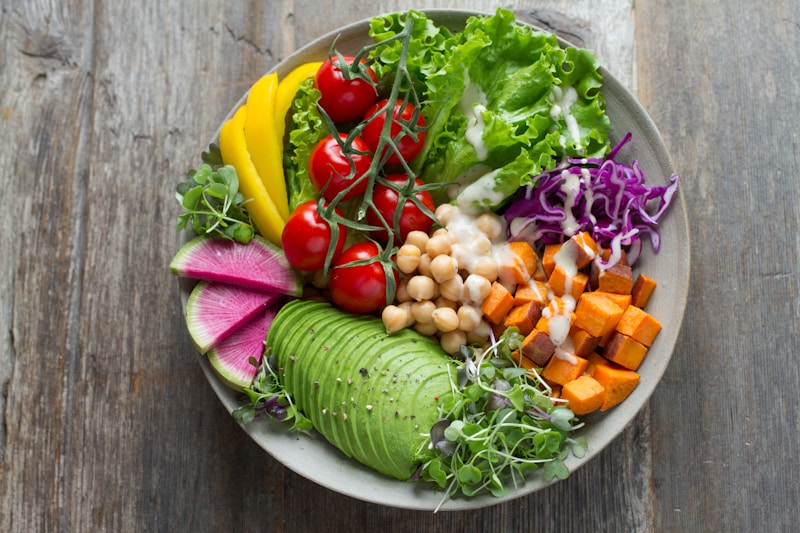
Non-mimic products are another growth area. Rather than trying to replicate a chicken breast or a beef burger, brands are creating entirely new food categories from plant ingredients. Mushroom-based products that don't pretend to be any particular meat. Chickpea-based snacks that compete on their own merits rather than as "alternatives to" something else. This approach sidesteps the biggest problem with plant-based meats: the inevitable comparison to the real thing, which the imitation almost always loses.
Flexitarianism remains the primary driver of plant-based consumption. About 31.7% of consumers now identify as flexitarian — up 3.6% since 2022 — meaning they still eat meat but are consciously reducing their intake. Health and convenience, rather than environmental ethics, are now the primary motivators. And there's a clear generational split: younger adults are far more likely to incorporate plant-based foods regularly, suggesting the long-term trajectory still points upward even if the current moment feels rocky.
The Ultra-Processed Food Reckoning
Running alongside all of these trends is a growing political and regulatory backlash against ultra-processed foods. The U.S. government is working to create a federal definition of ultra-processed foods for the first time — a seemingly bureaucratic move that could have enormous practical consequences for how food companies formulate, label, and market their products.
More than 25 states have proposed actions related to food additives. California signed AB 1264 into law in October 2025, a bipartisan bill that phases out particularly harmful ultra-processed foods from school meals by 2035. The 2025–2030 Dietary Guidelines are being closely watched for how they address ultra-processed foods, since those guidelines directly influence federal nutrition programs including school lunches, military food, and veteran nutrition services.
Food companies see the writing on the wall. Many are already reformulating products to remove controversial dyes, reduce sugar content, and shorten ingredient lists — not because they've had a sudden change of heart about public health, but because regulatory pressure and consumer sentiment are making highly processed products increasingly difficult to sell at premium prices.
This matters for the nutrition trends we've discussed because it creates a tailwind for whole-food approaches, personalized nutrition, and clean-label supplements while creating a headwind for the more processed end of the plant-based spectrum. The consumer who buys a tempeh stir-fry kit or a simple pea protein powder is positioned on the right side of this shift. The one buying a heavily engineered fake bacon with 30 ingredients is not.
What the Wearable-AI-Nutrition Convergence Actually Looks Like
I want to come back to the technology angle because it ties everything together. When the U.S. News expert panel was asked to name their most important health technology trend for 2026, 60% pointed to wearable devices providing real-time metabolic feedback. These aren't just fitness trackers counting steps. We're talking about smart rings, continuous glucose monitors, and sleep-tracking devices that generate the kind of granular biological data that was previously only available through clinical testing.
The AI in personalized nutrition market alone was valued at roughly $4.9 billion in 2025 and is projected to grow at nearly 18% annually through the next decade. Machine learning algorithms can now analyze meal photos to estimate macronutrient content, cross-reference that with your glucose response data, and adjust tomorrow's meal plan accordingly — all before you wake up.
But there's a tension here that deserves honest attention. Multiple experts in the U.S. News survey cautioned that with so much data and technology available, a simple health goal can start to feel like falling down a biohacking rabbit hole. The fundamentals haven't changed: eat mostly whole foods, get good sleep, move your body. The technology should serve those basics, not replace them with an anxiety-inducing obsession over glucose spikes and microbiome diversity scores.
The best advice I can give for navigating American nutrition in 2026? Use the new tools — they're genuinely powerful. Get curious about your individual biology. But don't let the optimization mindset crowd out the simple pleasure of sitting down to a good meal.
Where All of This Is Heading
If I had to distill the American nutrition story of 2026 into a single sentence, it would be this: we're moving from population-level dietary advice toward individual-level dietary intelligence, and the transition is messy, expensive, and far from complete.
Personalized nutrition will get cheaper and more accessible as testing costs continue to fall and AI platforms achieve greater scale. Supplements will keep converging with food until the distinction between the two barely matters. Plant-based will survive and grow, but in a radically different form than the imitation-meat boom of the early 2020s. And underlying it all, a slow-building regulatory apparatus is starting to hold the food industry accountable for what it puts in our food.
None of this happens overnight. But the direction is clear, and the pace is accelerating. The question isn't whether these trends will reshape how Americans eat. It's whether the benefits will reach everyone — or only those who can afford a subscription.